
If your nails sit somewhere between “I want structure” and “I need something wearable,” squoval is calling your name. This shape has quietly become the go-to for anyone who wants polished without precious. Here’s everything you need to know, including exactly how to get there yourself.
What Are Squoval Nails?
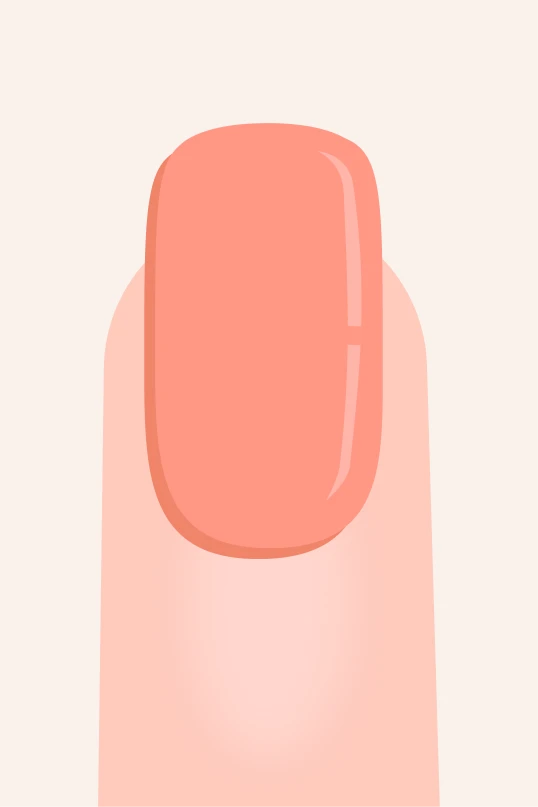
Squoval nails are exactly what they sound like: a square and oval hybrid. You get the flat, straight edge of a square nail along the top, with the corners softly filed down so they lose that harsh, boxy finish. The result lands somewhere in the middle, structured but smooth, defined but not sharp.
Think of it as the nail shape that works with your finger rather than against it. It follows the natural curve of your fingertip just enough to feel intentional without veering into full oval territory.
Benefits of Squoval Nails
1.
They suit almost every hand.
That’s not an exaggeration. Short fingers look longer because the flat tip creates a clean horizontal line. Wide nail beds look more balanced because the soft corners break up the width.
Long fingers carry the shape effortlessly. There’s a reason nail techs recommend this shape when clients say “I don’t know, just make them look good.”
2.
They hold their shape longer than oval or round.
Oval nails are gorgeous but they require maintenance. The curve is subtle, which means any growth throws off the shape fast.
Squoval stays cleaner between appointments because the straight edge gives you a visual anchor. You can touch it up yourself in two minutes without it looking off.
3.
They're strong enough for everyday life.
Square corners catch on things. Pointed nails snap under pressure. Squoval gives you the structural integrity of a square nail with fewer of the snag points.
If you type at a keyboard all day, open packaging with your hands, or do anything that involves actual contact with the world, squoval nails hold up. We break down more in our guide on the durability of different nail shapes.
Does a Squoval Nail Shape Work for Long and Short Nails?
Short
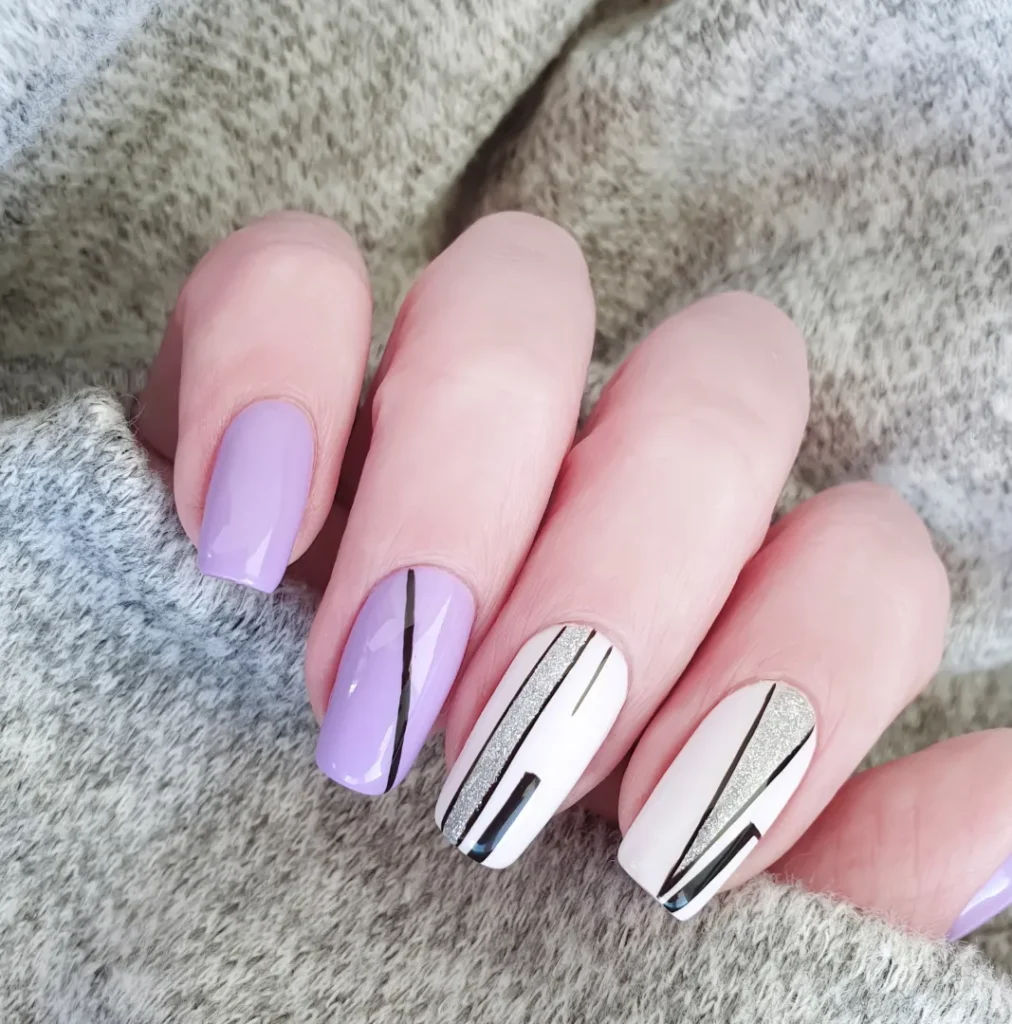
Short squoval nails are a whole look on their own. When your nail length sits just at or slightly past the fingertip, squoval keeps things neat without making the nail disappear into a round nub.
The flat top gives a short nail presence. It reads as intentional rather than just short. Painted in a nude or a clean white, short squoval nails look genuinely put together.
Long
Longer nails carry squoval just as well. The shape adds a graphic quality at length because the flat edge becomes more of a statement. You get the elegance of a longer nail with more stability than almond or coffin shapes offer.
The sweet spot is medium length. You get the full effect of the shape without the maintenance anxiety that comes with keeping longer nails intact.
How to File Nails Into the Squoval Shape
1. Set your length
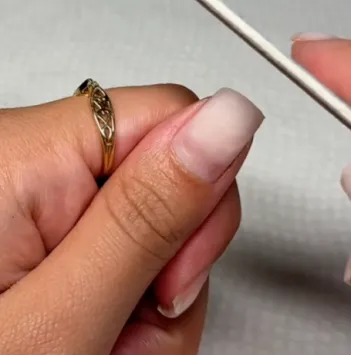
Before you touch the shape, decide how long you want your nails. File straight across the top of each nail to create a flat edge.
Keep the file flat against the nail tip and work in one direction rather than sawing back and forth.
Trying to shape and adjust length at the same time makes it harder to keep things even.
2. Round the corners
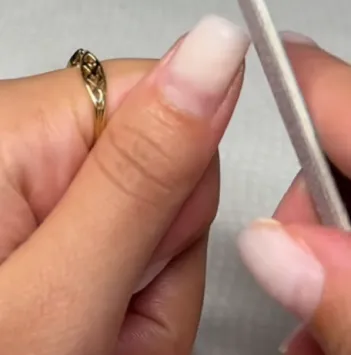
This is where squoval happens. Hold your file at a 45-degree angle to one corner of the nail. File lightly, just a few strokes, to take off the sharpness.
You’re not rounding the whole nail, you’re just knocking back that corner so it doesn’t catch or look too geometric.
Repeat on the other corner. If you’ve gone too far in one direction, the nail is sliding toward oval. That’s fixable on the other corner.
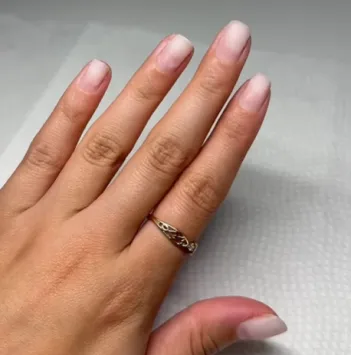
3. Check for symmetry
Hold your hand at eye level and look at each nail. The two corners should match. The top edge should be parallel to the base of your nail.
If one corner looks sharper than the other, bring it in slightly. If the top edge has developed a slight curve, file straight across again to restore the flat line.
Consistency matters more than perfection on any single nail. The shape reads as a set, so even small variations are noticeable when all ten nails are out.
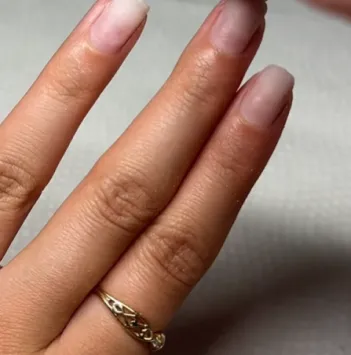
4. Buff and finish
Run a buffer over the edges to smooth out any roughness from filing. This also prevents the edges from snagging fabric or catching on your hair.
If you’re applying polish, wipe your nails down one more time before you start. Oils from your hands settle back onto the nail surface quickly, and skipping this step is the main reason polish peels at the edges.
That’s the shape. No complicated technique, no special equipment, no guesswork. Squoval works because it’s practical and it looks deliberate. Once you get your eye in for the shape, you can maintain it yourself in under five minutes.
If you want a deeper explanation, read → how to file your nails correctly
FAQ
They can. The soft edges help your nails look more balanced, which can make your fingers look a bit longer and slimmer, especially if your nails are on the shorter side.
Yes, and they actually work really well with both. Squoval is easy to shape on acrylics and gel, and it helps prevent sharp corners from lifting or breaking.
It depends on how fast your nails grow, but usually every 1–2 weeks. As your nails grow out, the shape can start to look uneven, so a quick file keeps them looking clean.
Most of the time, yes. That’s why they’re so popular. They don’t feel too bold or too plain, so they tend to look good on different finger shapes and nail lengths without much effort.
