
Round nails follow the natural curve of your fingertip. The edges are softened and the tip forms a smooth, circular line.
This shape looks simple, but that is the point. It keeps your nails clean, natural, and easy to manage. You are not forcing structure like almond or coffin. You are working with what your nail already does.
If that’s not what you are looking for, check out our guide that will help you choose nail shape.
What Is Round nail shape
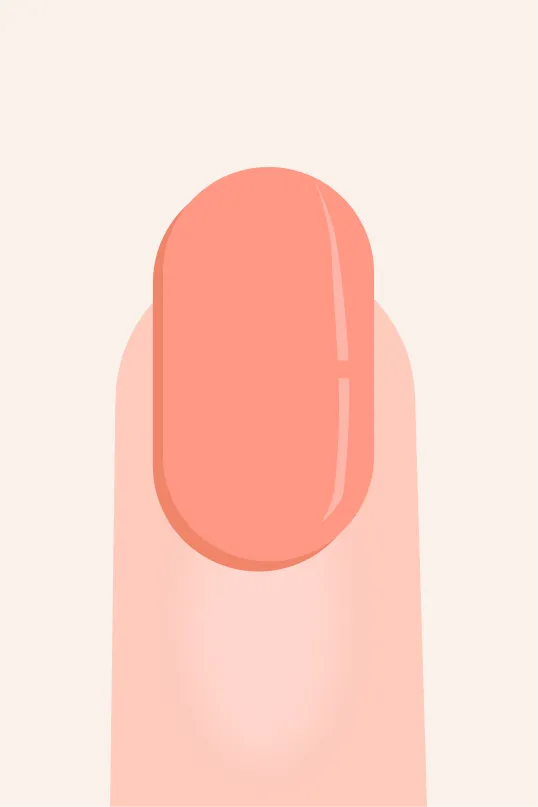
Round nails are hard to mess up and even harder to break. There are no sharp edges, so pressure spreads evenly across the nail. That reduces weak points.
This is why people come back to this shape after trying others. It does not fight your daily routine. You can type, use your phone, and do normal tasks without thinking about your nails.
If you want something low effort that still looks good, this is the default choice.
Why Round Nails Are the Safest and Easiest Shape
1.
No sharp edges so pressure spreads evenly across the nail. This reduces cracks, snags, and breakage in everyday situations like typing or grabbing objects making them very durable nail type.
2.
Follows the natural fingertip shape so you do not need aggressive filing or precise sculpting. Small adjustments are enough to keep the shape clean
3.
Very beginner friendly because you can see the curve clearly and correct mistakes quickly without ruining the overall structure
4.
Practical in daily life since the rounded edge does not catch on clothes, hair, or surfaces, which makes it easier to maintain without constant repairs
Who Should Choose Round Nails
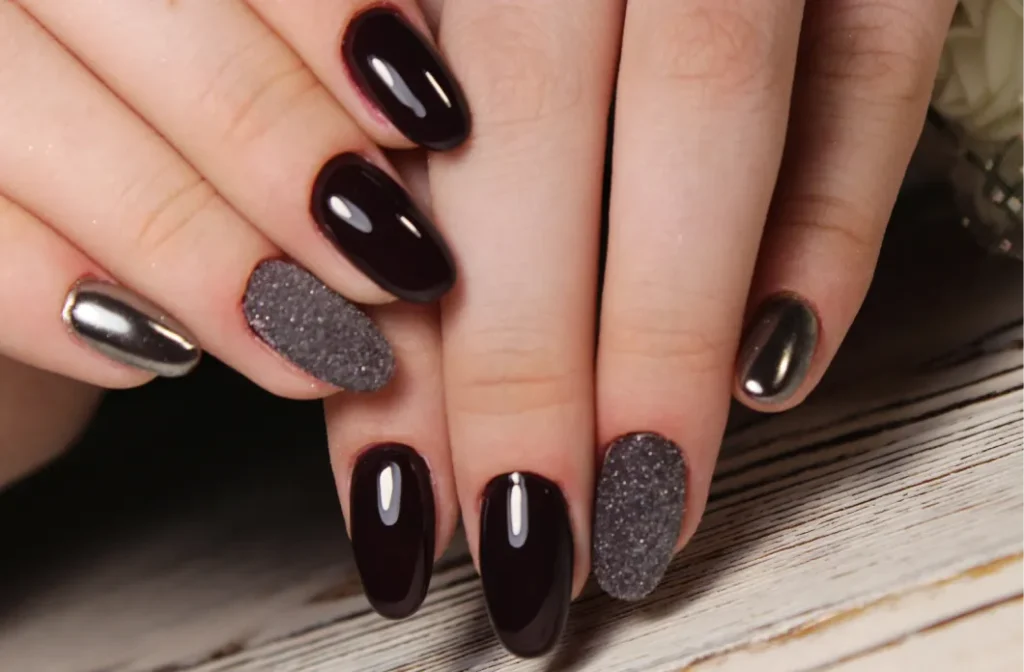
Your nails are short
Your nails break easily
You want a strong, low maintenance shape
You prefer a natural look over a styled one
This shape fits people who want consistency. You do not need long nails or perfect structure to make it look good. It adapts to what you already have.
When Round Nails Are Not the Best Choice
- If you want a strong visual impact. This shape is subtle and does not stand out.
- Your goal is to make fingers look longer or slimmer. Other shapes do this more effectively.
- You prefer bold, trendy, or eye catching styles. Round nails can feel too simple.
- You are looking for a design focused shape. Round nails are functional first, aesthetic second.
This does not make them worse. They simply serve a different purpose.
How to Shape Round Nails Step by Step
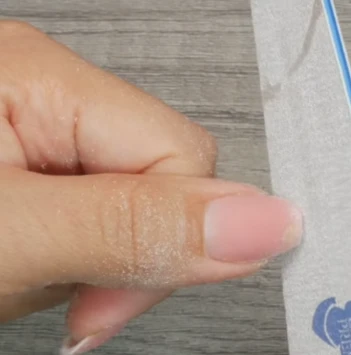
1. Start with clean, dry nails
Clean nails give you full control over the file. Moisture softens the nail and increases the risk of uneven shaping.
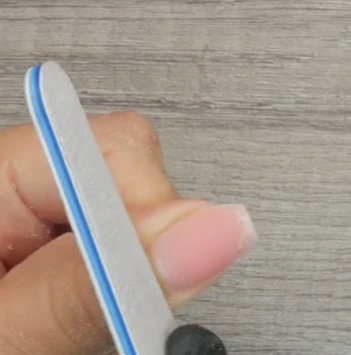
2. Create a straight base
File the nail straight across first. This sets a stable foundation before you begin rounding.
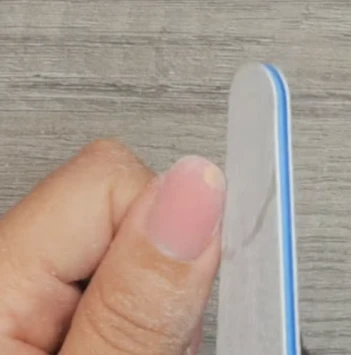
3. Round the corners gently
Soften each side with light, curved motions. Avoid removing too much length or creating sharp angles.
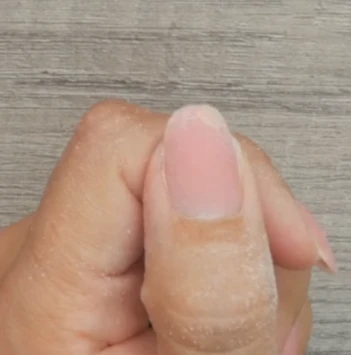
4. Keep both sides even
Work slowly from side to side. Symmetry is what makes the shape look clean and intentional.
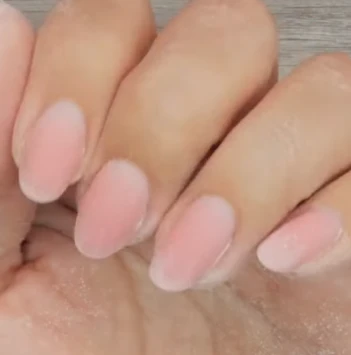
5. Check the shape from the front
Look at your nails head on, not just from above. This helps you spot imbalance early.
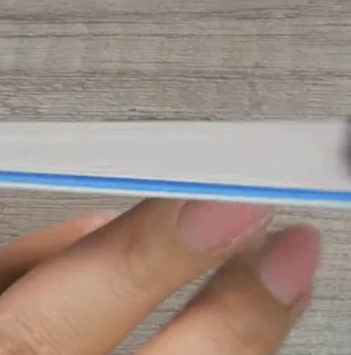
6. Refine the curve
Smooth the edges until the shape looks natural and balanced. The final result should follow the natural line of your fingertip.
The key is patience. You are not creating a new shape, you are refining the existing one. Small movements give better results than aggressive filing.
If you want a deeper explanation of technique, read → how to file your nails correctly
Round vs Other Nail Shapes
Round nails keep things natural. Compared to Almond nail shape, they do not create a strong elongating effect. Almond pulls the nail inward and makes fingers look slimmer, while round keeps the original proportions.
Compared to square nails, round nails are more forgiving. Square edges can catch on objects and break more easily, especially if your nails are thin. Round edges reduce that risk.
Compared to oval, the difference is subtle. Oval nails go slightly longer and narrower, while round stays closer to the fingertip and looks more compact.
Are Round Nails Good for Short Nails?
Yes. This is the best shape for short nails.
Short nails do not have enough length to support sharp or tapered shapes. Round works with the natural edge, so it stays strong and stable.
It also looks clean without needing extra length. You do not have to grow your nails out to make it work. For more information check out our detailed article about best nail shapes for short nails.
FAQ
File them about once a week. Round shape grows out evenly, but the edges can lose symmetry over time. Small, regular fixes keep the curve clean and prevent bigger corrections later.
Yes. Both Gel nails and Acrylic nails can be shaped into a round form. This is useful if your natural nails are too short or weak to hold the shape on their own.
Round nails follow the fingertip closely and stay short. Oval nails extend further and taper slightly, which creates a longer and more refined look. Round focuses on strength, while oval focuses more on appearance.
Yes. This is one of the most practical nail shapes. The smooth edges do not catch on things, which makes daily tasks easier and reduces the risk of breakage.
