
This article may contain affiliate links
Walk into a nail salon and ask for “gel nails,” and you might get five different interpretations. That’s because gel nails isn’t one specific thing—it’s an umbrella term covering multiple gel-based systems, each designed for different purposes.
Some gel types add color without length. Others create full nail extensions. Some strengthen weak nails, while others prioritize easy removal. The confusion is real, and choosing the wrong type leads to frustrating problems: premature lifting, unexpected breakage, or damage you didn’t sign up for.
The Main Types of Gel Nails
Let’s break down the primary gel nail systems you’ll encounter. Each serves specific needs and works differently on your nails.
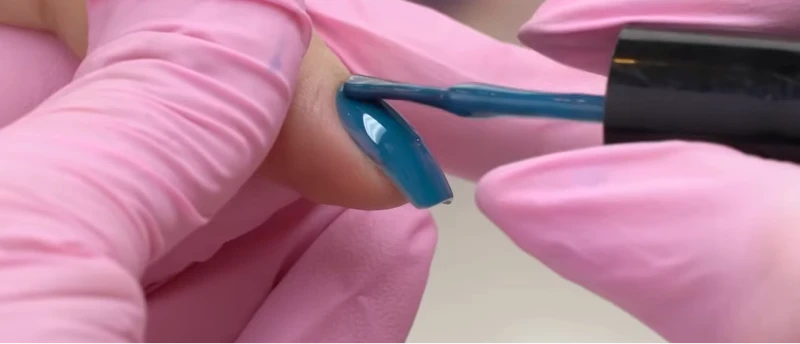
Regular Gel Polish
Regular gel polish is pigmented gel applied directly to your natural nails in thin layers. Think of it as supercharged nail polish that hardens under UV or LED light.
Longevity: 2-3 weeks with proper application and care.
Application
Three layers typically—base coat, color coat(s), and top coat. Each layer cures under a lamp for 30-60 seconds.
What it does
Adds vibrant, chip-resistant color and high-gloss shine to your existing nails. It doesn’t add any significant length or structural support it’s just a durable coating.
Best for
People who love their natural nail length but want long-lasting color that doesn’t chip like regular polish. Perfect for healthy nails that don’t need strengthening.
Removal
Soaks off with acetone in 10-20 minutes when done correctly. Learn how to remove gel nail polish safely to avoid damaging your natural nails.
Key limitation: If your nails are weak, peeling, or you want added length, regular gel polish won’t solve those problems.
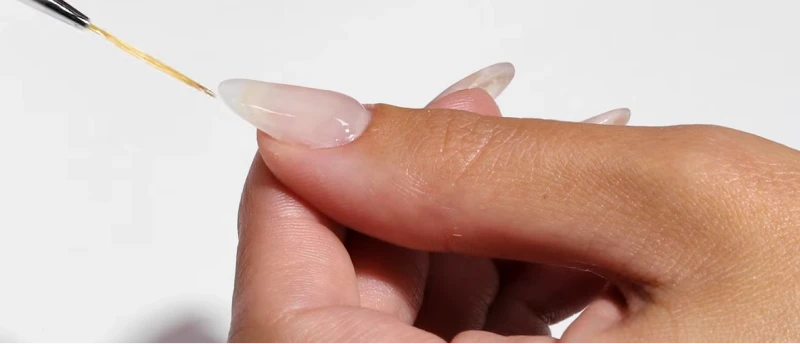
Builder Gel / Hard Gel
Builder gel (also called hard gel) is a thicker, more viscous gel formula designed to add structure and strength to nails. Unlike regular gel polish’s thin consistency, builder gel has substance.
Longevity: 3-4 weeks, sometimes longer with proper maintenance.
Application
Applied in thicker layers than regular gel polish, often built up at the center of the nail to create an “apex” (the highest point that provides strength). Cured under UV/LED light.
What it does
Creates a protective layer over natural nails, adds strength to weak or flexible nails, and can support short extensions (typically up to 3-5mm beyond your natural tip).
Best for
- People with naturally weak, bendy nails that break easily
- Those wanting slight length without full extensions
- Anyone needing structural support for their natural nails
Removal
Requires professional filing or careful at-home filing. You can’t simply soak it off, which means more time and skill needed.
Often confused with Regular gel polish. The key difference is thickness and purpose—builder gel strengthens, regular gel polish just colors.

Gel-X Nails (Soft Gel Extensions)
Soft gel extension system using pre-formed gel tips bonded to your natural nails. These aren’t traditional plastic tips. They’re made from cured soft gel material. For complete details on how this system works, see our guide on what Gel-X nails are.
Longevity: 2-4 weeks depending on application quality, nail growth, and lifestyle.
Application
A specialized gel adhesive (Extend Gel) bonds the pre-shaped tip to your natural nail. Everything cures under UV/LED light. The tips come in various shapes – square, coffin, almond, stiletto, so you’re not building from scratch.
What it does
Adds significant length and creates entirely new nail shapes beyond your natural tips. Want long almond nails when yours are short? Gel-X makes it happen.
Best for
- Anyone wanting natural-looking nail extensions
- People who want length without the thickness of acrylics
- Those sensitive to the smell of acrylic monomer
- Anyone prioritizing easier removal over maximum durability
Removal
Soaks off with acetone in 20-30 minutes, similar to regular gel polish but takes slightly longer due to the thicker material.
Not ideal for: Heavy manual work or activities that stress nails significantly. Gel-X is durable but not as rigid as acrylics or hard gel.
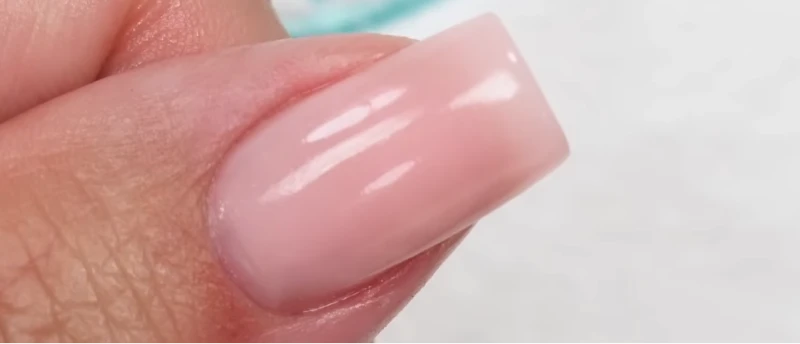
Polygel (Hybrid Gel System)
Polygel combines characteristics of both acrylic and hard gel into a hybrid formula. It comes as a thick putty-like substance that doesn’t harden until cured under UV/LED light.
Longevity: 3-4+ weeks with proper application and care.
Application
The technician applies polygel to the nail, shapes it with a brush and slip solution (usually alcohol-based), perfects the form, then cures everything under the lamp.
What it does
Creates strong nail extensions or overlays with the durability closer to acrylics but the working properties of gel.
Best for
- People wanting strong, durable extensions without acrylic smell
- Those who find acrylics too harsh but need more durability than soft gel
- Anyone wanting lightweight but strong enhancements
Removal
Must be filed down significantly, then soaked in acetone. More involved than soft gel removal but easier than pure hard gel.
Higher skill requirement for DIY. Professional application recommended.
Quick Comparison of Gel Nail Types
| Gel Type | Adds Length | Strength Level | Removal Method | Best For |
|---|---|---|---|---|
| Regular Gel Polish | No | Low | Acetone soak-off | Color and shine on healthy nails |
| Builder / Hard Gel | Short extensions possible | Medium–High | File down + acetone | Strengthening weak nails |
| Gel-X (Soft Gel) | Yes, significant | Medium | Acetone soak-off | Natural-looking extensions |
| Polygel | Yes, significant | High | File + acetone soak | Durable extensions without acrylic smell |
How to Choose the Right Type of Gel Nails
Matching gel type to your specific needs prevents disappointment and damage.
Consider Your Length Goals
Want to keep natural length: Choose regular gel polish. It beautifies without adding bulk or length.
Need slight reinforcement and maybe a bit of length: Builder gel or structured gel manicure works perfectly. You’ll get 2-5mm of extension potential plus strengthening.
Want dramatic length transformation: Gel-X or polygel deliver. Gel-X offers easier removal; polygel offers more durability.
Factor in Your Lifestyle
Desk job, minimal hand stress: Any gel type works. Choose based on aesthetic preferences and length goals.
Frequent hand washing (healthcare, food service, parents): Regular gel polish or Gel-X. Both handle water exposure reasonably well. Avoid anything requiring extensive fills or complex maintenance.
Manual labor, heavy typing, or hands-on work: Polygel or builder gel offer best durability. Gel-X may be too flexible. Regular gel polish won’t provide enough protection.
Active lifestyle (gym, sports, outdoor activities): Shorter nails with builder gel or structured gel. Long extensions of any type increase break risk during physical activity.
Budget Reality
Lower ongoing costs: Regular gel polish. Home kits cost $30-60 upfront, then just polish refills. Salon visits run $35-60.
Medium investment: Gel-X ($80-150 per salon visit) or builder gel ($50-100).
Higher investment: Polygel extensions ($100-180 depending on location and complexity).
Money-saving tip: Any gel type lasts longer with proper care—cuticle oil, gloves for cleaning, gentle handling.
FAQ
"Gel nails" is a broad term covering all gel-based systems. "Gel polish" specifically refers to colored gel applied to natural nails for shine and durability without adding length or significant strength. Gel polish is one type of gel nail system, but gel nails include builder gel, Gel-X, polygel, and other options that do more than just add color.
Yes, absolutely. Builder gel creates the structure and strength, then regular gel polish goes on top for color. This combination is extremely common. The builder gel provides the foundation, and gel polish delivers the aesthetic finish. Many structured gel manicures follow this exact approach.
Regular gel polish is the easiest to remove at home. It soaks off cleanly in 10-20 minutes with pure acetone and doesn't require any filing (except buffing the top coat to break the seal). Gel-X is second easiest, taking 20-30 minutes. Builder gel, hard gel, and polygel all require significant filing before they'll fully soak off, making them more challenging for DIY removal.
Yes, all current gel nail systems require UV or LED light to cure (harden). The gel formula stays liquid until exposed to specific light wavelengths that trigger the chemical hardening reaction. This is what makes gel different from regular nail polish, which air-dries. No UV/LED lamp = no cured gel.
Yes, you can switch gel systems. However, you must fully remove the previous gel type before applying a different one. For example, if you have builder gel and want Gel-X extensions, the builder gel needs complete removal first. You can't layer different gel systems on top of each other—they're designed to work independently, not stacked.
