
You’ve scrolled through countless nail inspiration photos, but when you try those trendy shapes on your own hands, something feels off. Your fingers look stubbier. The proportions seem wrong. You’re not imagining it.
Many people with wider or shorter fingers find that standard nail advice misses the mark completely. The problem isn’t your hands—it’s choosing shapes that fight against your natural proportions instead of working with them.
Which one to choose?
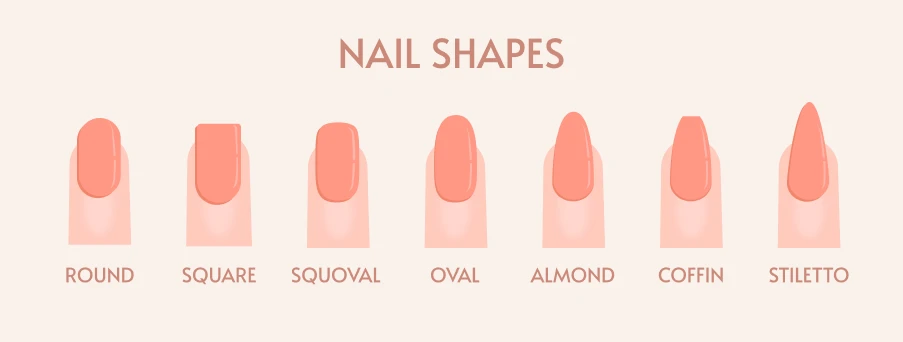
Why Nail Shape Matters for Fat Fingers
Your nail shape isn’t just aesthetic preference. It’s optical engineering for your hands.
The Visual Illusion Factor
Shapes that emphasize vertical lines draw the eye up and down rather than side to side. This creates the perception of length and slimness. Think about how vertical stripes on clothing make you look taller—the same principle applies to nails.
What Not to Do
Blunt, wide shapes are the enemy of finger slimming. Square nails with sharp corners create horizontal emphasis. Your eye hits that flat edge and registers width first, length second.
The wider your natural nail bed, the more pronounced this effect becomes. Someone with naturally narrow nail beds might rock square nails beautifully. For wider fingers, that same shape can look chunky.
Best Nail Shapes for Fat Fingers (And Why They Work)
Let’s break down the top performers. These shapes consistently deliver flattering results for wider or shorter fingers.
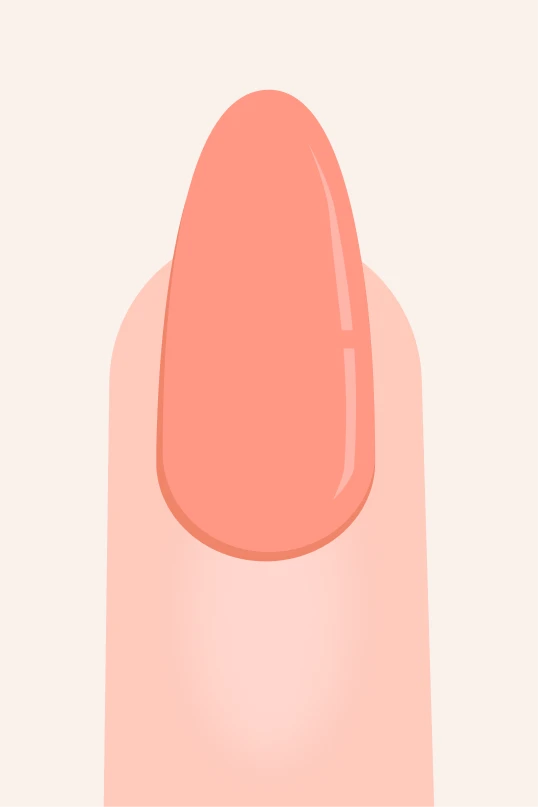
1. Almond Nails — The Top Choice
Almond nails feature gently tapered sides that curve inward, meeting at a softly rounded, narrow tip. Imagine an actual almond nut—that’s the silhouette you’re creating.
Why it works: This shape is the gold standard for finger slimming. The gradual taper from base to tip creates continuous vertical lines. Your eye follows those converging sides upward, making fingers appear longer and more slender.
Best for: Anyone wanting maximum slimming effect who can maintain medium-length nails.
Ideal length: Medium to long. Almond needs sufficient length to establish that tapering effect. Too short and you can’t achieve the proper curve.
Styling tips:
- Keep the taper gradual and symmetrical on both sides
- The tip should align roughly with your fingertip when viewing from the palm side
- File carefully to maintain the curve—flat spots ruin the illusion
- Pair with nude or light colors for maximum elongation
- Darker polishes work too but create different visual weight
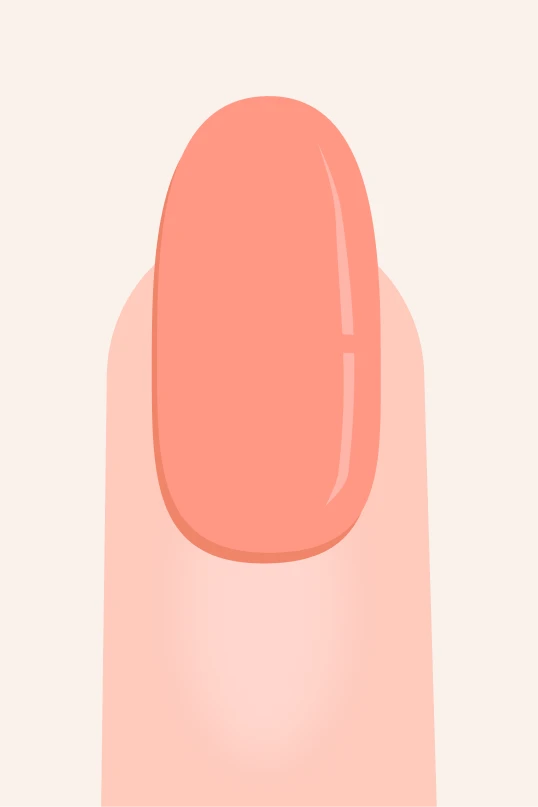
2. Oval Nails
Oval nails have slightly rounded sides that curve more gently than almonds, with a softly rounded tip. Think of an egg shape flipped vertically.
Why it works: Oval provides finger slimming without the drama of almond. The curved sides still create vertical emphasis, just with a softer, more natural appearance. This shape draws the eye upward while feeling less “done” than sharper styles.
The gentle rounding eliminates harsh corners that create width perception. Your fingers get the elongating benefit without screaming “I spent two hours on my nails.”
Best for: Those preferring natural, understated looks. Oval works beautifully on natural nails without extensions.
Styling tips:
- Keep the curve consistent—don’t let one side flatten
- This shape forgives slight length variations better than almond
- Works with any polish color or finish
- Perfect canvas for simple French tips
- Ideal for professional environments
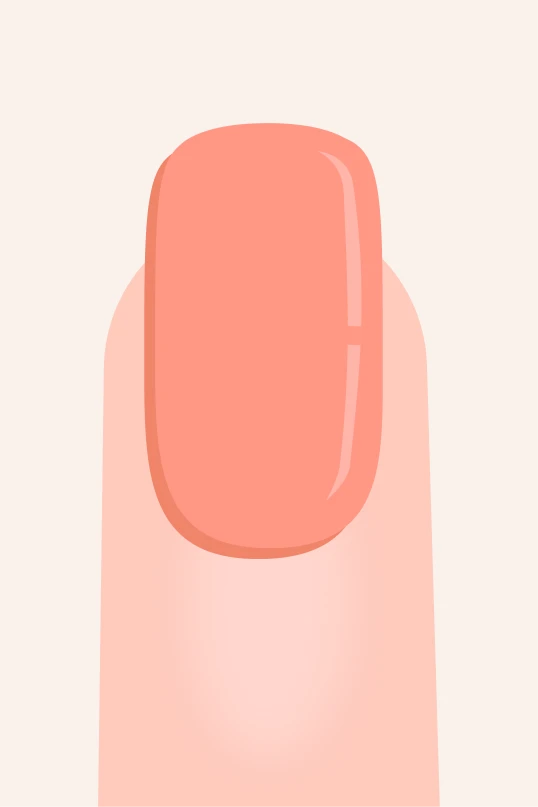
3. Squoval Nails
Squoval combines a square base with softened, rounded corners. It’s literally “square” meets “oval”—hence the name.
Why it works: Here’s the compromise. Squoval gives you clean, structured edges without the harsh horizontal line of pure square nails. Those rounded corners prevent the blunt-width effect while maintaining a practical, sturdy shape.
For shorter nails on wider fingers, squoval often works better than fully rounded shapes. It creates subtle vertical emphasis through the straight sides while the rounded corners prevent excessive width perception.
Best for: Practical lifestyles. If you type constantly, work with your hands, or find long nails impractical, squoval delivers flattering results at shorter lengths.
Styling tips:
- Don’t round the corners too much—you’ll end up with oval instead
- Keep sides relatively straight before the curve begins
- This shape looks crisp with bold, solid colors
- Works well with geometric nail art
- Easy to maintain at home between salon visits
Nail Shapes to Avoid for Fat Fingers
Not every trendy shape will flatter wider or shorter fingers. Here’s what typically creates unflattering proportions.
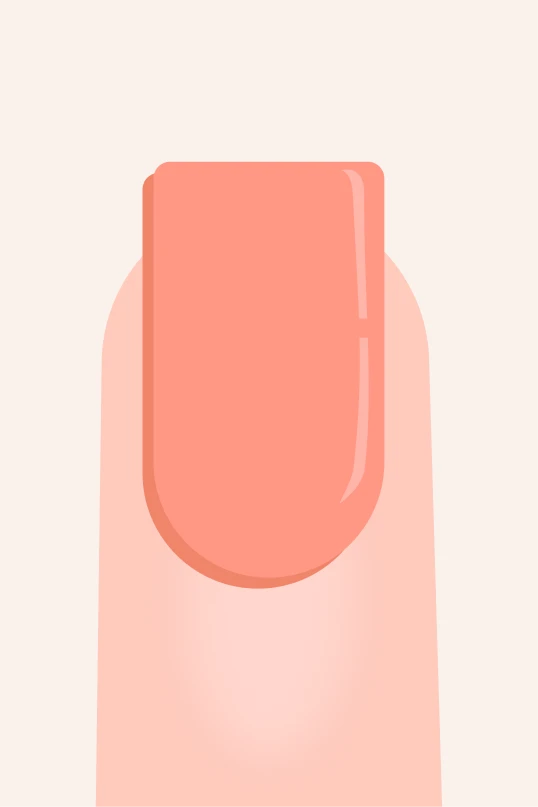
Square Nails (Especially Blunt)
Why they’re problematic: Square nails emphasize horizontal lines through that flat, blunt edge. Your eye registers width first. The sharper the corners, the more pronounced this effect becomes.
On narrow fingers, square nails can look chic and modern. On wider fingers, they tend to make hands appear stubbier and less refined.
The exception: Very long square nails can work because the extreme length offsets the width emphasis. But you need significant length to pull this off.
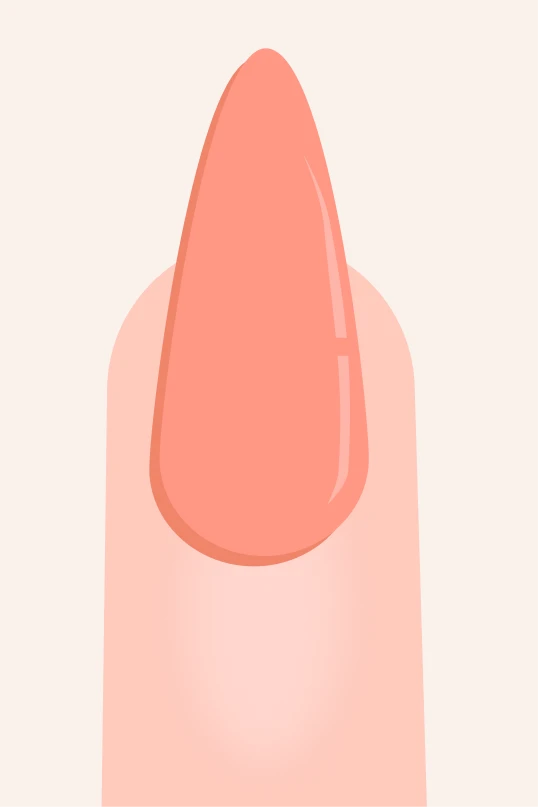
Extreme Stiletto (Depending on Length)
The issue: Stiletto nails feature dramatic points created by filing sides at sharp angles. While the taper should theoretically slim fingers, execution matters enormously.
If stiletto nails are too short, the wide base becomes very obvious. You get a stubby triangle effect that emphasizes finger width. The shape needs substantial length to work properly.
Additionally, extremely sharp points can look disproportionate on shorter, wider fingers. The contrast between a wide base and needle-thin point can appear unbalanced.
When it works: Long enough to establish a gradual taper. The transition from base to point needs length to look elegant rather than jarring.
Real Insights About Nail Shapes for Fat Fingers
Let’s talk about what actually works in practice. Women with wider or shorter fingers share remarkably consistent experiences.
Oval and Almond Get Top Votes
Our research shows overwhelming preference for oval and almond shapes among people with wider fingers. These shapes consistently deliver the slimming, elongating effect people want.
“I have short, stubby fingers and oval nails completely changed how my hands look. Square made them look like little rectangles.”
Taper Beats Blunt Every Time
The pattern is clear: anything with gradual tapering—whether oval, almond, or even softly rounded squoval—tends to look more flattering than blunt shapes.
Even small adjustments matter. Rounding the corners on square nails (creating squoval) makes a noticeable difference in how wide fingers appear.
Length Interaction Is Crucial
Here’s something many nail guides ignore: shape and length must work together.
- Medium length gives the best balance for most people.
- Too short with any shape risks looking stubby.
- Too long becomes impractical and can look disproportionate depending on finger length.
Medium length (extending 2-4mm beyond the fingertip) allows shapes like almond and oval to work their magic without going overboard.
As one of our questionnaire answer with self-described “chubby fingers” noted:
“I thought longer was always better, but medium-length almond actually looks better on me than super long stilettos. Proportions matter more than maximum length.”
Best Lengths for Each Shape
| Shape | Minimum Effective Length | Ideal Length | Maximum Practical |
|---|---|---|---|
| Almond | 3mm past fingertip | 4-5mm | 6mm |
| Oval | 2mm past fingertip | 3-4mm | 5mm |
| Squoval | 1mm past fingertip | 2-3mm | 4mm |
| Coffin | 5mm past fingertip | 6-7mm | 8mm+ |
| Round | Flush with fingertip | 2mm | 3mm |
Nail Art Placement That Elongates
Vertical patterns enhance the slimming effect. Think vertical stripes, ombre gradients from base to tip, or accent details that run lengthwise.
Avoid horizontal patterns like thick horizontal stripes or designs that cut across the nail width. These create the same width-emphasis as square shapes.
Strategic placement: If you want accent nails, consider adding design elements that draw the eye toward the tip rather than the base.
Changing Nail Color With Your Shape Choice
Once you’ve chosen a flattering nail shape for fuller fingers, you might want to update your manicure color too. The good news is you don’t have to stick with the same shade forever.
If you’re curious about changing polish colors after you’ve had your nails filled, we’ve covered it in detail in another article: When You Get Nails Filled, Can You Change the Color. That post explains how often you can safely switch colors, what to ask your technician, and how different tones pair with various nail shapes.
Pairing the right shape with the right color can enhance the slimming effect on your hands and make your manicure look intentional and polished.
Quick Cheat Sheet: Best Nail Shapes for Fat Fingers
| Finger Type | Best Shapes | Why It Works | Avoid | Length Notes |
|---|---|---|---|---|
| Short + Wide | Almond, Oval, Squoval | Taper creates length illusion | Square, blunt shapes | Medium (3-4mm) ideal |
| Medium Wide | Almond, Coffin, Oval | Dramatic taper maximizes slim effect | Extreme square | Extensions optional for coffin |
| Practical/Active | Squoval, Round, Short Oval | Low maintenance, sturdy | Long stiletto, fragile shapes | Short to medium (2-3mm) |
| Natural Nails Only | Oval, Squoval, Round | Achievable without extensions | Coffin (needs length) | Work with what you can grow |
| Maximum Drama | Almond, Coffin | Bold shapes create statement | Conservative round | Medium to long (5-6mm) |
FAQ
Yes, absolutely. Short nails work fine on wider fingers—you just need to choose the right shape. Squoval and round are your best options for short lengths because they create subtle elongation without requiring length to establish their effect.
Avoid short square nails, which emphasize width. Even at short lengths, rounding the edges (squoval) or creating gentle curves (round or short oval) makes a noticeable difference.
Keep cuticles well-groomed to maximize visible nail plate. This adds length perception even when nails are naturally short.
Go for coffin or long almond shapes. Both create statement-making drama while slimming fingers through aggressive tapering.
You'll likely need extensions (gel or acrylic) to achieve the necessary length. Work with an experienced technician who can create proper proportions for your finger width.
The investment pays off—these shapes deliver maximum elegance and finger slimming when done correctly.
Extensions offer advantages for wider fingers because they allow you to:
- Achieve longer lengths than natural nail growth permits
- Create precise shapes that might be difficult to file on natural nails
- Maintain consistent appearance without growth cycles
However, natural nails shaped properly (oval or almond at medium length) also work beautifully. Extensions aren't mandatory—they just expand your options.
The shape matters more than whether nails are natural or enhanced. A well-shaped natural oval beats a poorly executed extension every time.
Yes, somewhat. Nude and light neutral tones create seamless finger-to-nail transitions that elongate. Darker colors draw attention to the nail shape itself—which works great if you've chosen a flattering shape like almond or oval.
Extremely pale colors on very short nails can make nails look smaller. Bold colors on properly shaped, medium-length nails look striking.
French manicures are particularly flattering because the nude base blends with skin while the white tip draws eyes upward.
Every 2-3 weeks is ideal for maintaining optimal shape. As nails grow, the proportions change. That perfect almond becomes less tapered, or your squoval starts looking square.
Regular shaping maintains the visual effects you want. If you get professional manicures, this happens automatically. For at-home care, check your shape weekly and file as needed to maintain those crucial tapered sides and rounded tips.
